Dominik Máthé: “Ohrid can bring me back to my highest level”

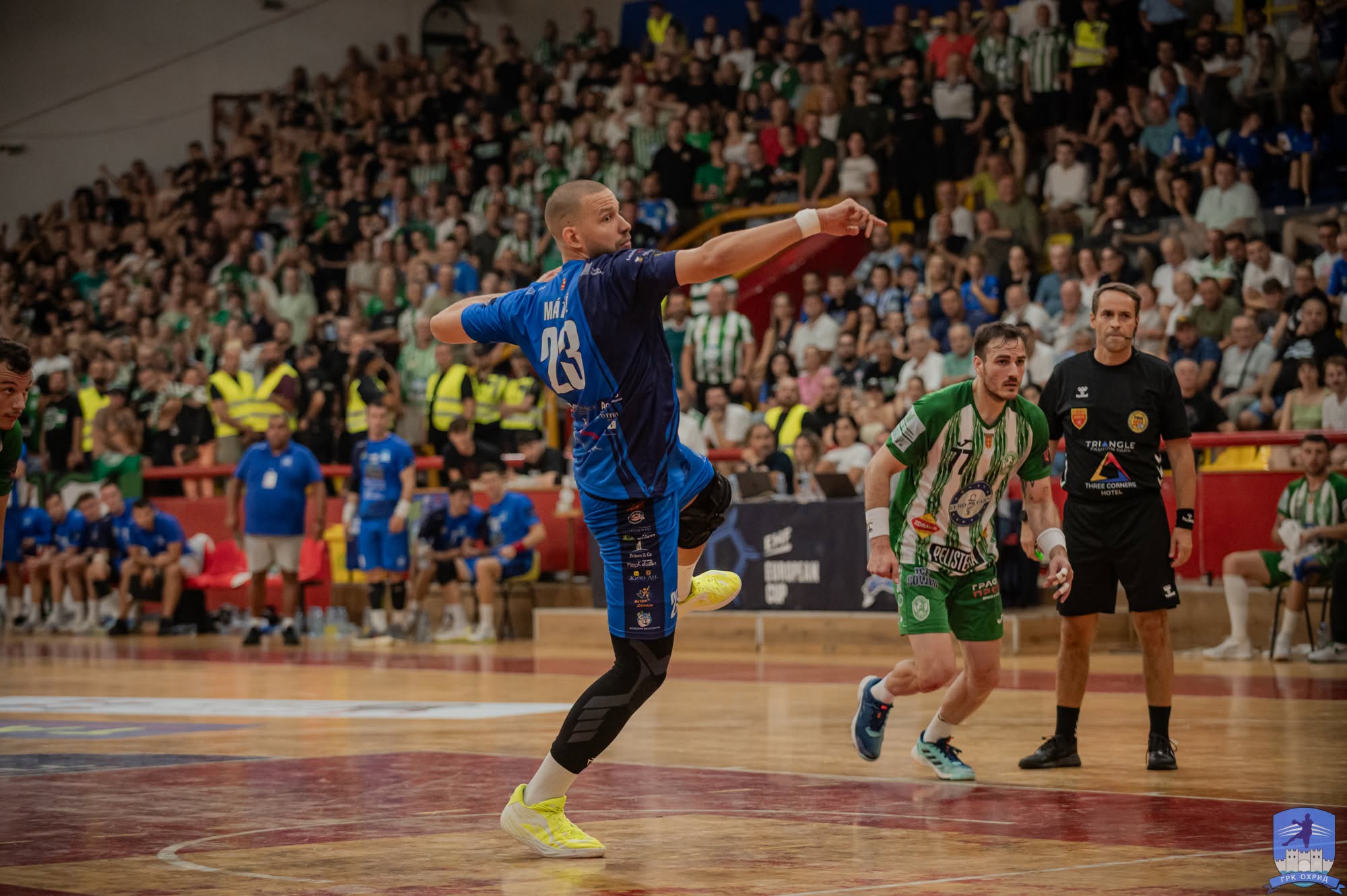
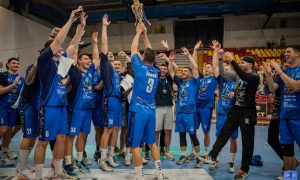
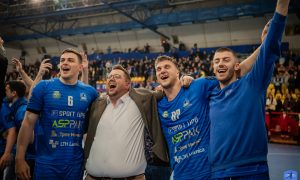
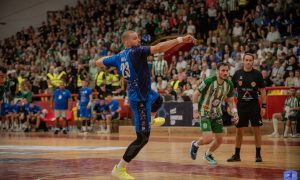
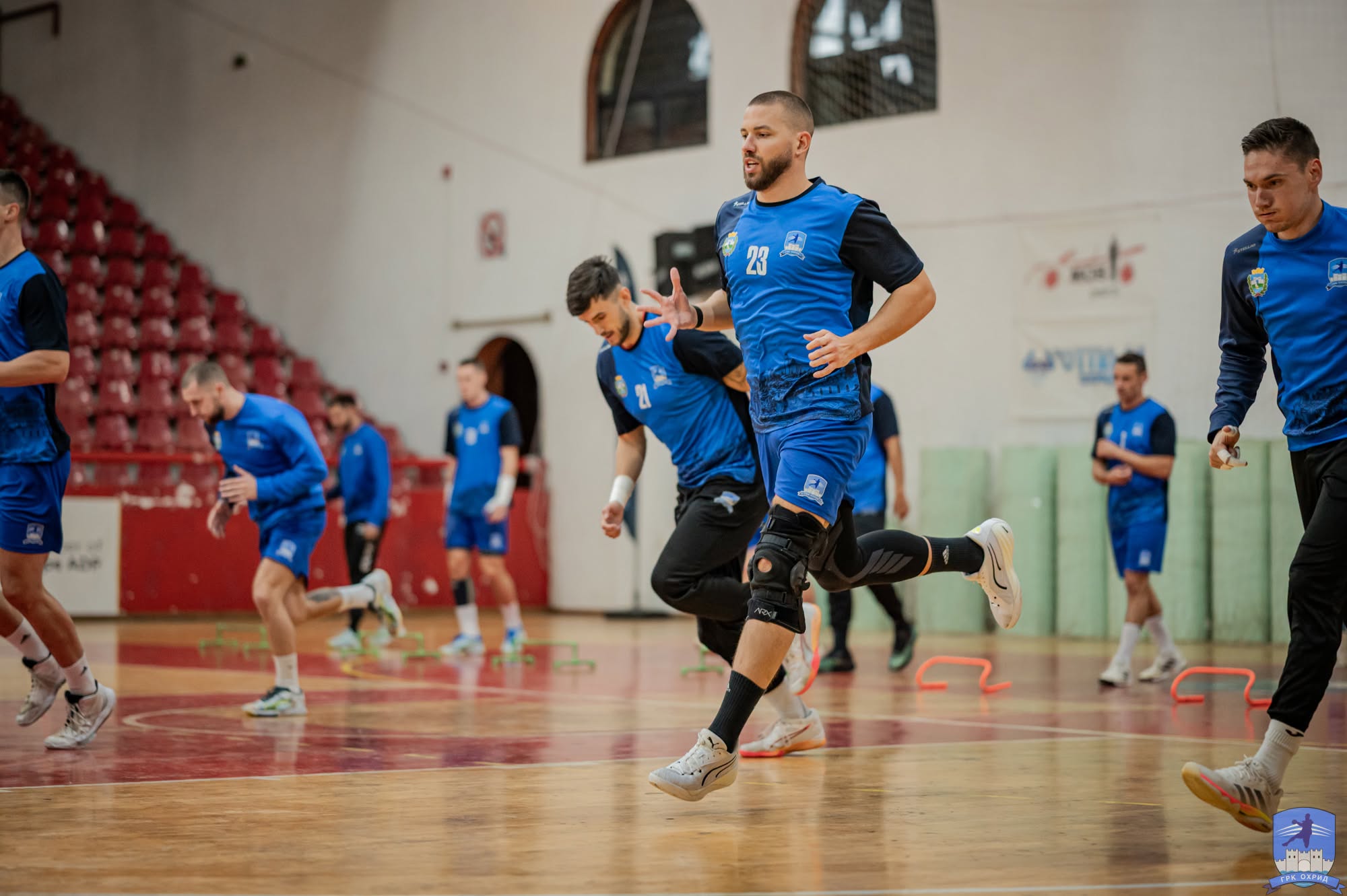
Hungarian international Dominik Máthé was one of the most interesting signings in Macedonian handball this summer. After several difficult seasons marked by knee problems and surgeries, the former Paris Saint-Germain and Elverum player decided to open a new chapter of his career with EHF European League winners – GRK Ohrid.
In an interview for Handball-Planet.com, the 27-years old lefthander spoke about his first months in North Macedonia, the differences between Scandinavian and Balkan handball, Ohrid’s ambitions, the passionate local fans and his physical condition after three knee surgeries.
You coming to Ohrid was a bit of a surprise. How did you make that decision and how do you feel here now?
To be honest, I feel really good. There were some big signings around me as well, so I was really happy that they found me and wanted me to be part of this project.
Ohrid is also a really nice place, the city is beautiful and it is a new project for me. I signed a one-plus-one-year contract. After Norway, I wanted to try another country because I like living and playing abroad.
The coach Boris Rojević told me that he wants to bring me back to the highest level, to the level where I was before. He gives me a lot of minutes and a lot of trust.
So far, I think things are going really well. I hope I can continue playing the way I have played during these first two or three months since I arrived.
You came from Scandinavian handball to the Balkans. The mentality and handball culture are completely different. How did you adapt?
It is different, especially when it comes to training. In Norway, a lot of things were built around strength training and the way the practices were organised was also different.
We also do a lot of physical work here, but the training is different, so I needed some time at the beginning to get used to everything. Now I think I have adapted well.
Our pre-season was also different because we played a lot of matches. We had two tournaments, so there was less time to focus specifically on strength training.
We were sometimes playing three or four matches per week, which was physically demanding, but I managed it and now we are here.
The atmosphere in the stands is probably also very different?
Definitely. The fans are probably the biggest difference between Scandinavia and the Balkans.
Here there is much more passion. The supporters live every moment of the match and I really like that.
The atmosphere against Eurofarm Pelister here was really good, and I expect the same against Vardar. These are the kind of matches that are really enjoyable to play.
How important are the matches against the other top Macedonian teams when you are thinking about the championship and the play-offs?
Every point is important because you carry those points into the play-offs.
We want to take as many points as possible and put ourselves in a good position. Our goal is to finish first or second and fight for the championship.
There is still a long way to go. We also have an away match against Eurofarm Pelister in Bitola later, so there are many important matches ahead of us.
 Do you see one clear favourite for the title, or can all four leading teams compete for first place?
It depends on many things.
At the moment, we perhaps have a slightly easier schedule because we play only one match per week, which gives us more time to prepare.
On the other hand, sometimes playing more matches can also help you stay in rhythm.
If I had to look at the situation now, I would say that Vardar are maybe a little bit ahead of us, but that doesn’t mean that we cannot beat them.
I think all four teams (RK Alkaloid is the fourth) can compete this season. You never know what can happen. Everything will probably be decided in May, so we still have a lot of time and many matches to play.
How do you see the quality of the Ohrid squad and the atmosphere inside the club?
It is really nice.
Of course, I wouldn’t say the beginning was easy because every new start is difficult. You have to adapt to new teammates, a new system and a new environment.
But I managed to settle in and my teammates helped me a lot.
During the summer there were obviously many more people in Ohrid, and now the city is becoming quieter. But I came here to play handball, not just to enjoy the city.
In some ways that is even better now because there are fewer distractions and I can completely focus on handball.
Nobody in handball ever doubted your quality, but there were many questions about your physical condition in recent years. How are you now and how are your knees?
To be honest, I feel good now.
I have been playing regularly for around two years and I hope I can continue like this.
Of course, after three surgeries I will probably always have some problems that need to be managed.
The club and the coach understand that. When we have matches that we are controlling, I don’t necessarily have to play until the end. But in the bigger games, the coach wants me on the court a lot, and that is completely fine with me.
I try to prepare myself in the best possible way so that I can play as much as the coach needs me.
You were considered one of the biggest prospects in Hungarian and European handball. You signed for PSG at a very young age, but then came the injuries and surgeries. Was there a period when you lost motivation?
To be honest, it was very difficult mentally.
Going through injuries and surgeries is never easy, especially when you know where you were in your career and what you expected from yourself.
But I managed to get through that period. I kept working and trying to come back.
Now I am here and I am happy that I can play handball again and show what I can do.
How do you see your future with the Hungarian national team?
I don’t know, I had some problems with the ex-coach. No, he is not in the team anymore. I don’t know if I will get the chance to play, but now more important is to play here. National team can wait. We didn’t qualify for the World Championship, so now the next important matches are the European Championship qualifiers in November.
January will be relatively quiet for us, so I will probably have some time around Christmas to be with my family and also work more on myself physically.
We will see what happens with the national team.
If the coach counts on me and calls me, then of course we will see what the situation is and whether I can join the team – concluded Dominik Mathe.