Barcelona and PSG Lead Instagram Rankings: Football Giants Dominate Handball’s Social Media Landscape

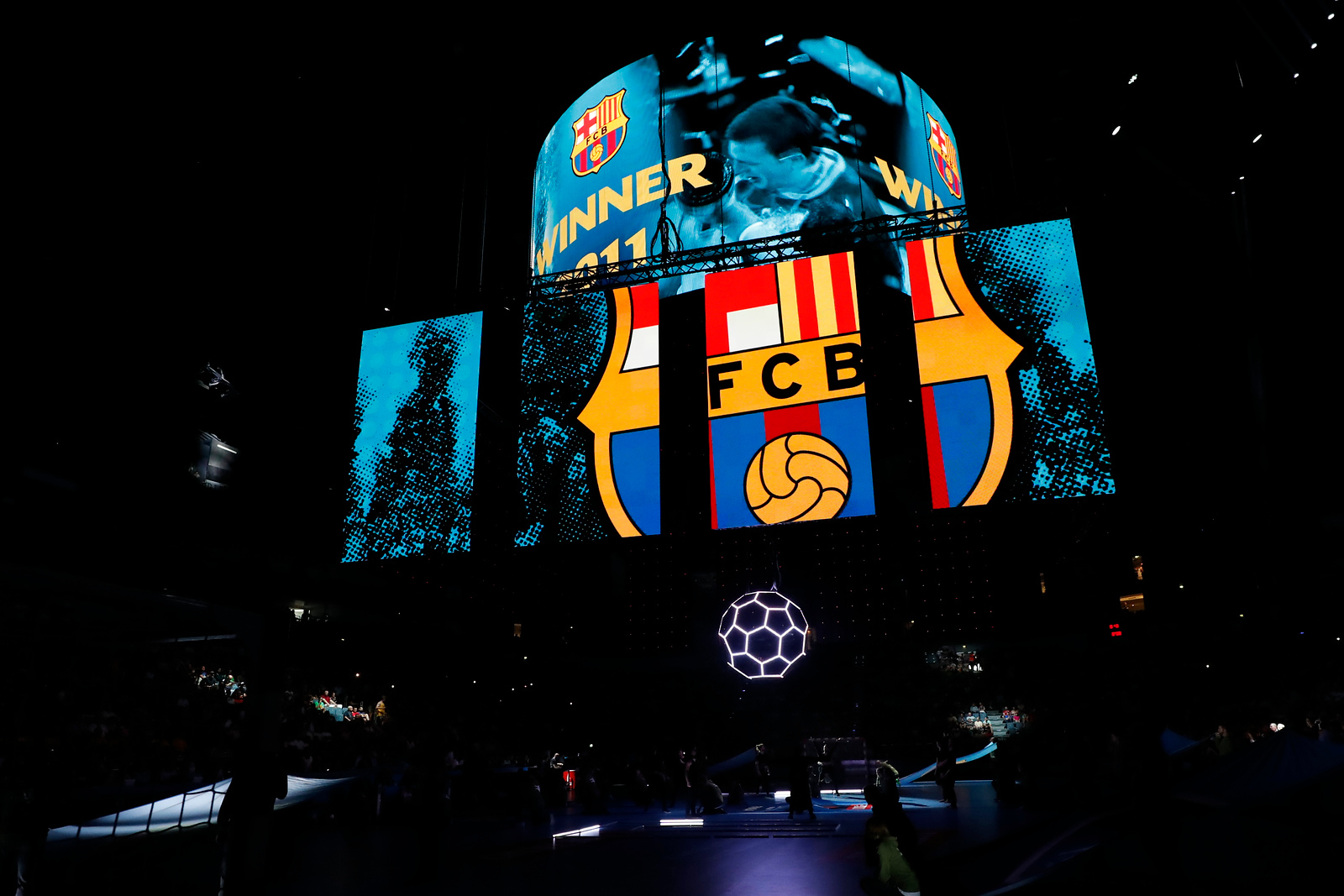
How popular are handball clubs on social media? Judging by Instagram followers, FC Barcelona lead the way with 717,000, followed by Paris Saint-Germain with 468,000 and Egyptian giants Al Ahly with 400,000. However, a closer look at the rankings reveals a striking trend – the most popular handball teams belong to major multi-sport organizations, primarily internationally recognized football brands.
Barcelona and PSG occupy the top two positions among the 15 handball clubs included in this analysis. The Catalan giants have almost a quarter of a million more followers than their French counterparts, while the two clubs together attract nearly 1.2 million Instagram followers.
Al Ahly’s presence in third place is particularly impressive. The Egyptian powerhouse have 400,000 followers on their dedicated handball Instagram account, putting them ahead of some of Europe’s most recognizable handball brands.
Al Ahly are another example of how being part of a massive multi-sport organization can provide a significant advantage in terms of visibility and audience reach. The club’s enormous popularity, largely built through its football success and passionate fan base, extends to other sports, including handball.
Portuguese powerhouses Sporting CP and FC Porto follow with 239,000 and 236,000 followers, respectively. Interestingly, both Portuguese clubs have larger Instagram audiences than any of Germany’s traditional handball giants.
The Football Factor: A Major Competitive Advantage
What connects the five leading clubs is that their handball departments are part of major sporting organizations whose global recognition is primarily driven by football.
Barcelona, PSG, Al Ahly, Sporting and Porto have built enormous fan bases through football, and part of that popularity naturally extends to their handball teams.
This represents a significant advantage that independent handball clubs struggle to overcome, regardless of their sporting achievements, tradition or organizational strength.
Major sporting brands benefit from access to much larger fan communities, stronger marketing platforms, greater media exposure and international audiences that recognize their names far beyond handball.
Barcelona provide the clearest European example, with almost four times as many Instagram followers as THW Kiel, the most popular club among those primarily dedicated to handball.
Even sporting success, sold-out arenas and decades of tradition are not enough to completely close the digital popularity gap between an independent handball club and a globally recognized football brand.
Another interesting example is Turkish powerhouse Beşiktaş JK, who occupy seventh place with 170,000 followers, just behind THW Kiel (196,000).
The Istanbul club have a larger Instagram following than Rhein-Neckar Löwen, Füchse Berlin, SG Flensburg-Handewitt and SC Magdeburg, despite Turkish club handball not enjoying the same level of international success as Germany’s leading teams.
THW Kiel Lead the Independent Handball Brands
Among clubs that are not part of major football organizations, Germany’s THW Kiel lead the rankings with 196,000 followers.
They are followed by Rhein-Neckar Löwen (160,000), Füchse Berlin (144,000) and SG Flensburg-Handewitt (127,000).
SC Magdeburg’s position is particularly interesting. Despite being one of Europe’s most successful handball clubs in recent years, the German powerhouse have 111,000 Instagram followers.
This underlines an important point: success on the court does not necessarily translate into comparable growth on social media.
Polish giants Industria Kielce have 106,000 followers, while French side HBC Nantes attract 91,400.
Aalborg Håndbold (86,500) and Veszprém (86,400) are virtually level.
These figures raise a broader question about handball’s ability to develop as an independent commercial and entertainment product.
While the handball departments of football giants can benefit from already established global brands, clubs such as Kiel, Flensburg, Magdeburg and Veszprém must build their audiences almost exclusively through handball itself.
Instagram Followers – Top 20 Handball Clubs
- FC Barcelona – 717,000
- PSG Handball – 468,000
- Al Ahly SC – 400,000
- Zamalek ( all sports except football) – 310.000
- Sporting CP (all sports except football) – 239,000
- FC Porto (all sports except football) – 236,000
- THW Kiel – 196,000
- Beşiktaş JK – 170,000
- EC Pinheiros (all sports except football) – 168.000
- Rhein-Neckar Löwen – 160,000
- Benfica (all sports except football) – 155.000
- Füchse Berlin – 144,000
- SG Flensburg-Handewitt – 127,000
- Al Khaleej (all sports) – 121.000
- SC Magdeburg – 111,000
- Industria Kielce – 106,000
- HBC Nantes – 91,400
- Aalborg Håndbold – 86,500
- Veszprém – 86,400
- Montpellier – 85.300
Football Brands Account for Almost 70% of the Total Audience
Together, these 15 handball clubs have 3,448,300 Instagram followers.
The five leading clubs – Barcelona, PSG, Al Ahly, Sporting and Porto – account for 2,060,000 followers, representing almost 60% of the combined audience.
When Beşiktaş JK are included, the six handball teams associated with major football brands have a combined following of 2.23 million, or approximately 65% of the total.
The conclusion is clear: football brands dominate the Instagram landscape of handball, both in Europe and beyond.
Their social media popularity is not based exclusively on handball achievements but also on the enormous strength and international recognition of the sporting organizations behind them.
Independent handball clubs, even those with the richest traditions, strongest fan cultures and most impressive trophy collections, operate in a fundamentally different commercial and marketing environment.
For handball, the challenge is not simply to win trophies, but to transform sporting success into sustainable digital growth and a broader international audience.