Financial Earthquake at Győr: Seven-Time European Champions Facing Major Changes, Players Could See Salaries Cut by 50%!

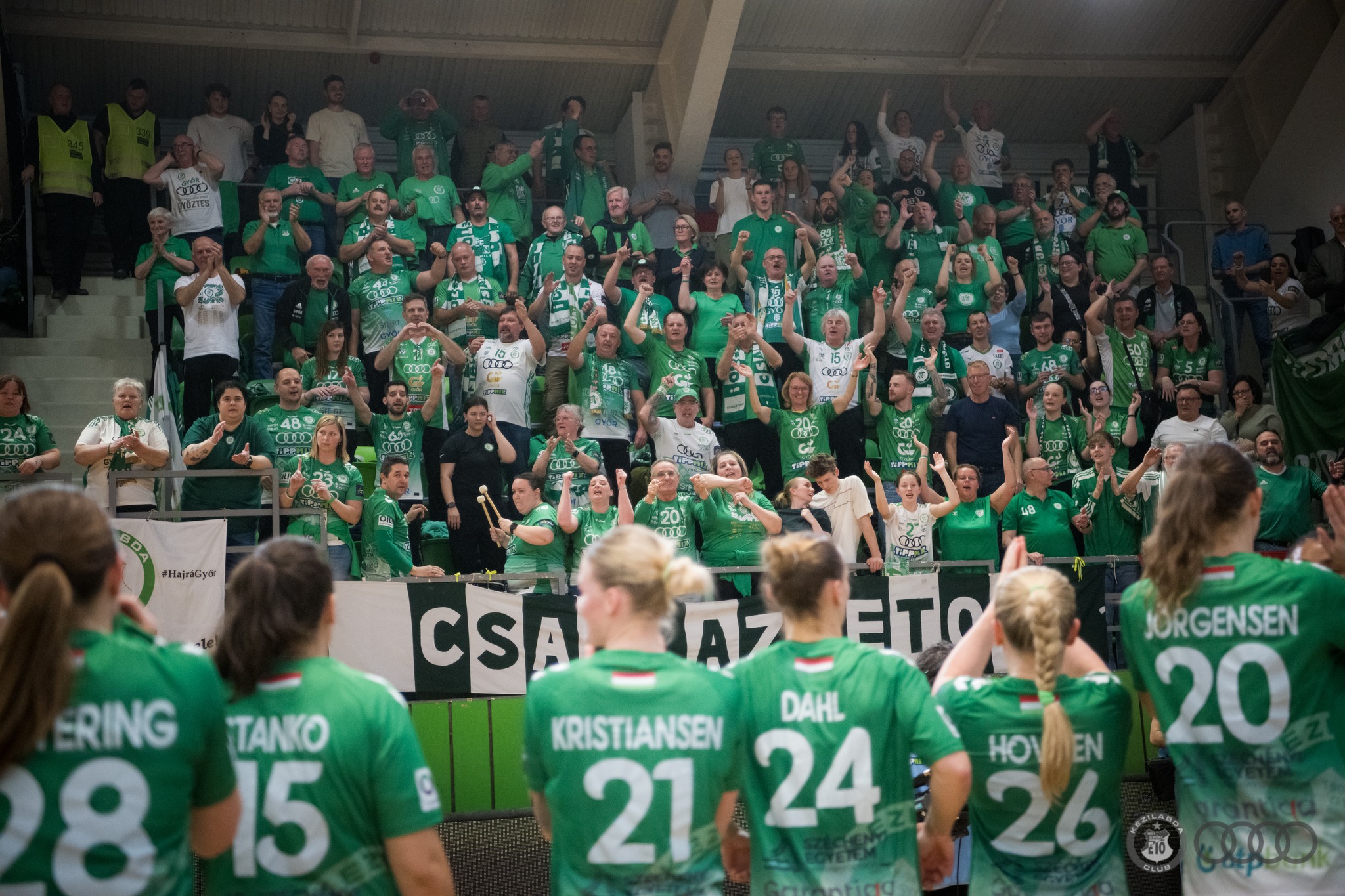
One of the most successful clubs in the history of women’s handball, Hungarian powerhouse Győri Audi ETO KC, is facing a serious financial crisis that could reshape the balance of power in European club handball.
The seven-time EHF Champions League winners, long regarded as a symbol of financial stability and a preferred destination for the world’s best players, could be forced to part ways with some of their biggest stars.
According to Danish broadcaster TV2, the club’s management has asked players to accept substantial salary reductions, potentially reaching as much as 50% in certain cases. At the same time, Győr is reportedly willing to consider the departure of some key players if interested clubs are prepared to pay transfer fees for their contracts.
The news has sent shockwaves through European handball, with the Hungarian giants officially acknowledging that they are facing significant financial challenges.
In a statement released on Tuesday, November 10, Győri Audi ETO KC admitted that changes to the financing system that has supported Hungarian sport for years have created serious economic difficulties.
The club confirmed that discussions have been ongoing with sponsors and partners, including government institutions, local authorities and potential new investors, in an attempt to secure a sustainable financial future.
The statement also acknowledged that the current situation would require difficult decisions, responsible financial management and cooperation from everyone involved.
Tax Changes and Uncertainty Over Audi Sponsorship
One of the key factors behind the financial pressure is a change in Hungary’s preferential taxation system for professional athletes.
Previously, the system allowed favourable taxation of annual earnings up to HUF 500 million. However, the threshold has reportedly been reduced to HUF 60 million, potentially increasing the financial burden on clubs employing some of the world’s highest-paid players.
Another major concern is the future of the club’s long-standing partnership with German automotive giant Audi.
The company has confirmed that it is fulfilling all obligations under its existing sponsorship agreement, but the current contract expires at the end of the season. Whether the partnership will continue under the same financial conditions remains uncertain.
Budget Cuts Could Transform the European Transfer Market
According to reports, Győr may need to reduce its expenditure by approximately HUF 350–400 million. However, club officials have not officially confirmed either those figures or the reported salary reductions.
If the proposed measures are implemented, the consequences could extend far beyond Hungary.
For years, Győr has been one of the most attractive destinations for elite female handball players. Its financial strength has allowed the club to assemble star-studded squads capable of competing for the EHF Champions League title every season.
A potential restructuring could therefore open the door for other European powerhouses to pursue players who have previously been considered virtually unavailable on the transfer market.
The financial uncertainty comes at a time when Győr remains among Europe’s elite. The Hungarian champions completed the previous season with domestic league and cup titles, while finishing runners-up in the EHF Champions League.
The team also remains highly competitive in both domestic and European competitions this season.
The coming months will reveal whether Győr’s management can secure new financial resources and keep the core of its squad together, or whether one of the most dominant clubs in modern women’s handball will be forced to enter an entirely new era.
One thing is certain: what happens in Győr will not remain a purely Hungarian issue. The outcome of this financial crisis could significantly influence the future balance of power in European women’s handball.