Seven Coaches in Seven Years: Rhein-Neckar Löwen Still Searching for Stability After Jacobsen’s Golden Era

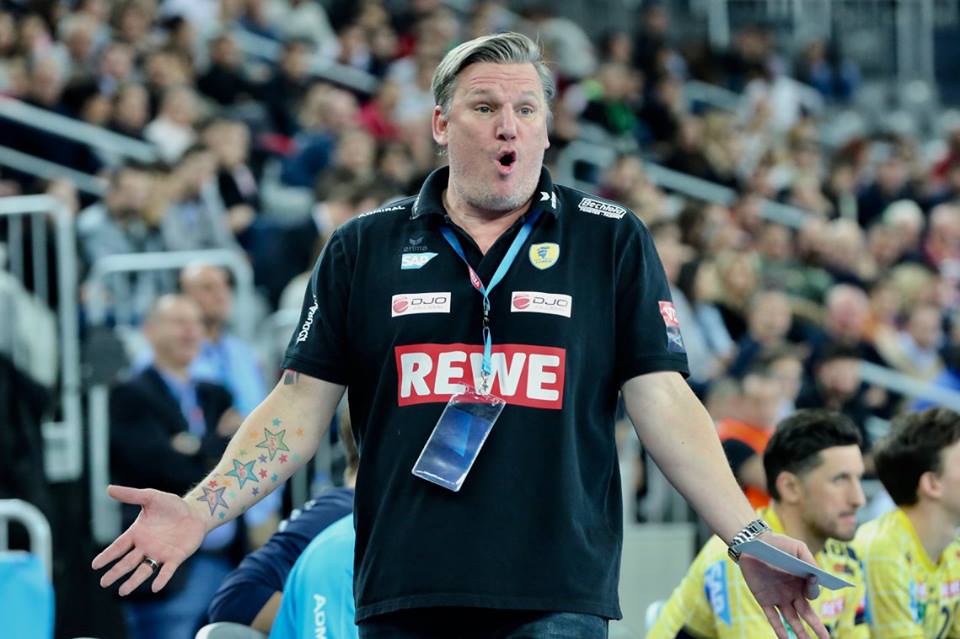
The Danish coach led Rhein-Neckar Löwen through the most successful period in the club’s history. Between 2014 and 2019, Jacobsen transformed the Lions into genuine Bundesliga title contenders, winning back-to-back German championships in 2016 and 2017, the DHB Cup in 2018 and three German Super Cups.
However, since his departure to focus exclusively on the Danish national team, Rhein-Neckar Löwen have struggled to rediscover the consistency and winning mentality that defined their golden era.
Kristján Andrésson was the first to take over in 2019, but his tenure lasted only eight months. Martin Schwalb followed, before Klaus Gärtner and Ljubomir Vranjes both took charge during the turbulent 2021/22 season.
Sebastian Hinze appeared to bring some much-needed stability between 2022 and 2025, winning the German Cup in 2023. However, even that success failed to produce a lasting revival.
Maik Machulla arrived in the summer of 2025 with the ambition of rebuilding the team and bringing Rhein-Neckar Löwen back among Germany’s elite. Just 15 months later, following a disappointing start to the 2026/27 season and a home defeat against ThSV Eisenach, his time in Mannheim came to an end.
Now the responsibility falls to 36-year-old Michel Abt, a familiar face who knows the club from his playing days, his work with the reserve team and his recent role as assistant coach.
Rhein-Neckar Löwen head coaches since Nikolaj Jacobsen’s departure
- Kristján Andrésson (2019–2020)
- Martin Schwalb (2020–2021)
- Klaus Gärtner (2021–2022)
- Ljubomir Vranjes (2022)
- Sebastian Hinze (2022–2025)
- Maik Machulla (2025–2026)
- Michel Abt (2026–present)
The contrast is striking. While Jacobsen spent five years building a championship-winning team, Rhein-Neckar Löwen have now appointed seven different head coaches in just over seven years.
The 2023 German Cup remains the club’s only major trophy since Jacobsen’s departure, underlining how difficult the post-Jacobsen era has been.
The question is no longer simply who can coach Rhein-Neckar Löwen, but whether the club can finally establish the long-term sporting stability required to challenge Germany’s best teams again.